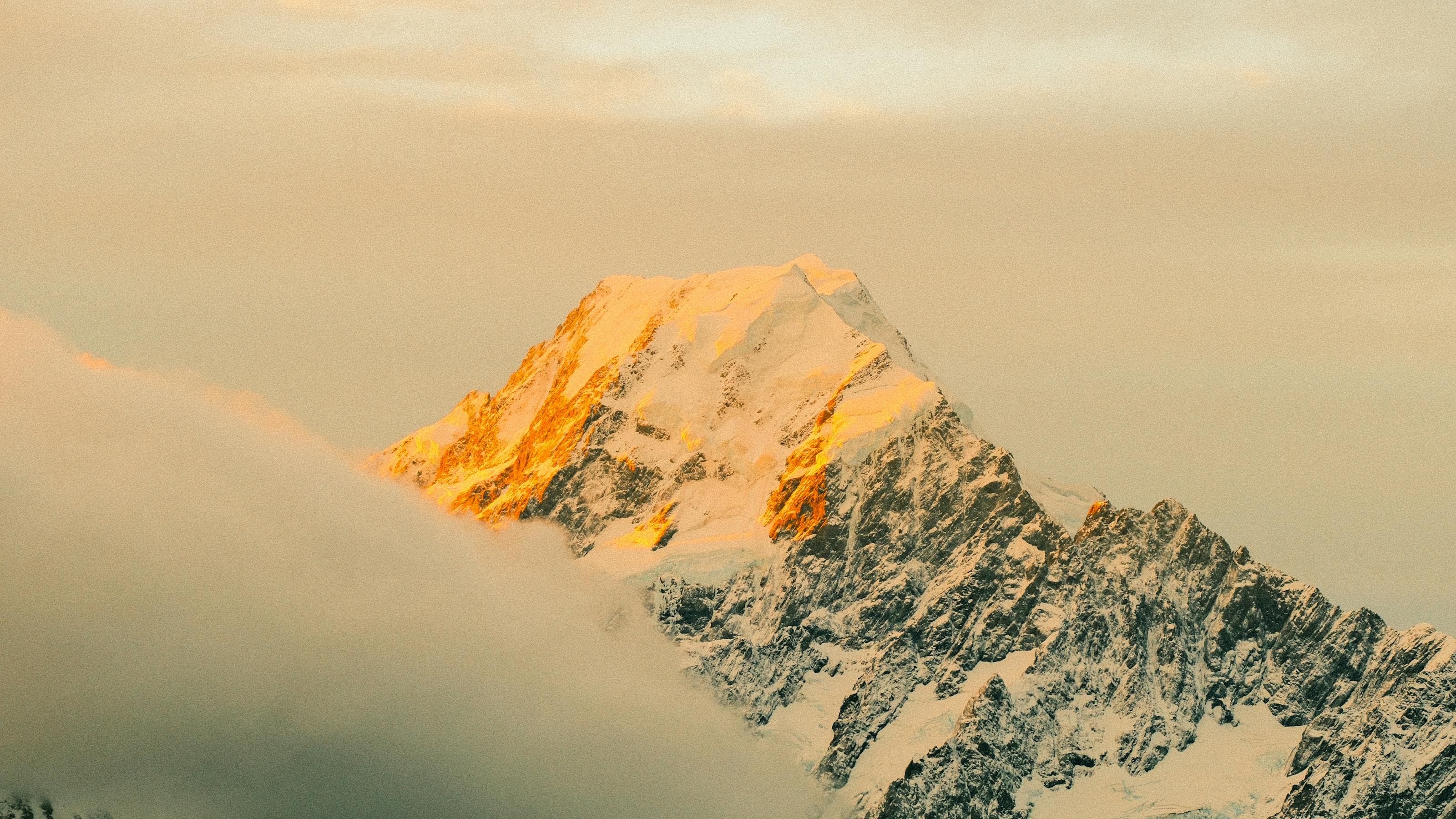
Travel Photography Tips for Beginners: Capture Stunning Photos in 2025
You don't need an expensive camera to take great travel photos. What you need is an understanding of light, composition, and storytelling.
Travel Photography Tips for Beginners: Capture Stunning Photos in 2025
You don't need an expensive camera to take great travel photos. What you need is an understanding of light, composition, and storytelling. Whether you're shooting with the latest iPhone or a beginner DSLR, these tips will transform your travel photography.
Part 1: Essential Composition Techniques
The Rule of Thirds
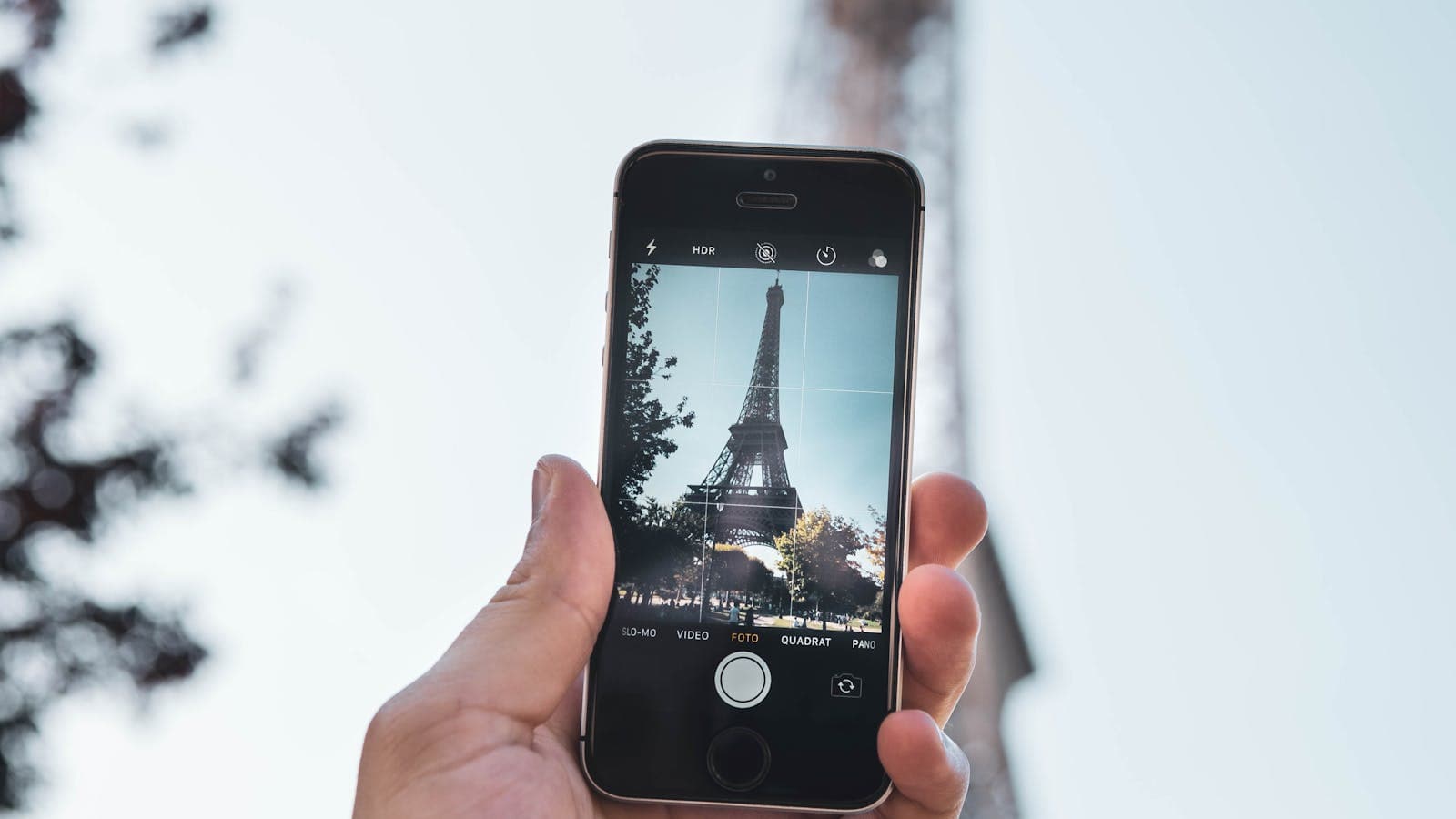
Imagine your frame divided into a 3x3 grid. Place your main subject where the lines intersect—these are called "power points." This creates more dynamic, interesting photos than centering everything.
How to use it:
- Horizons on the top or bottom third line
- People's eyes on the upper third
- Key landmarks at intersection points
- Most phone cameras have a grid overlay option
Leading Lines
Use natural lines in the environment to guide the viewer's eye through your image:
- Roads and pathways
- Bridges and railings
- Rivers and shorelines
- Architecture and buildings
- Rows of trees or crops
Pro tip: Leading lines work best when they draw attention to your main subject.
Framing
Use natural elements to frame your subject:
- Doorways and windows
- Archways
- Overhanging branches
- Cave openings
- Gaps between buildings
Frames add depth and context while drawing focus to your subject.
Foreground Interest
Include something interesting in the foreground of landscape shots:
- Flowers or plants
- Rocks or pebbles
- Patterns in sand
- Local objects
This adds depth and makes viewers feel they're in the scene.
Negative Space
Don't fill every inch of your frame. Negative space (empty areas) can:
- Emphasize your subject
- Create mood and atmosphere
- Give images room to breathe
- Work well for minimalist compositions
.webp&w=3840&q=75)

Join our newsletterfor Travellers
By subscribing, you agree to our privacy policy. Unsubscribe anytime.
Part 2: Mastering Light
The Golden Hour
The hour after sunrise and before sunset offers magical light:
- Warm, golden tones
- Long, soft shadows
- Flattering for portraits
- Dramatic for landscapes
Plan for it: Check sunrise/sunset times for your destination and be in position 15 minutes early.
The Blue Hour
Just before sunrise and after sunset:
- Deep blue tones
- City lights begin to glow
- Perfect for cityscapes
- Moody, atmospheric feeling
Harsh Midday Light
When the sun is high:
- Creates harsh shadows (challenging for portraits)
- Works for architectural details
- Good for shadows as compositional elements
- Seek shade for portraits
Solutions for midday:
- Find shaded areas
- Shoot inside looking out
- Look for interesting shadows
- Use it for high-contrast black and white
Overcast Days
Cloudy skies act as a giant softbox:
- Even, soft lighting
- Great for portraits
- Reduces harsh shadows
- Colors appear more saturated
Part 3: Smartphone Photography Tips
Use What You Have
Modern smartphones have incredible cameras. Master these features:
Basic features:
- Clean your lens (seriously, do this often)
- Tap to focus and set exposure
- Use grid lines for composition
- Avoid digital zoom (use your feet)
Advanced features:
- Portrait mode for depth blur
- Night mode for low light
- Pro/manual mode for control
- RAW format for editing flexibility
Smartphone-Specific Tips
- Stabilize your shot: Brace against walls, use both hands
- Use volume buttons to shoot: More stable than tapping screen
- Lock focus and exposure: Tap and hold on your subject
- Burst mode for action: Hold shutter for multiple shots
- HDR for high contrast scenes: Helps balance bright and dark areas
When to Use Portrait Mode
Portrait mode creates blurred backgrounds (bokeh):
- Portraits (obviously)
- Food photography
- Object close-ups
- Flowers and nature details
When to avoid:
- Landscapes
- Group photos
- Action shots
- Complex scenes with many elements

%20copy%202.webp&w=384&q=75)
%20copy%203.webp&w=384&q=75)
Your trips deservemore than a camera roll
.webp&w=96&q=75)
Part 4: What to Photograph
Tell a Story
Great travel photos tell stories. Include:
People and Culture:
- Local markets and vendors
- Street scenes and daily life
- Festivals and celebrations
- Candid moments (ask permission for portraits)
Details:
- Food and drinks
- Architecture details
- Signs and typography
- Textures and patterns
Context:
- Wide establishing shots
- Medium shots for context
- Close-ups for details
- Your own shadow or reflection
The Travel Photo Series
For each destination, capture:
- Iconic shot: The famous landmark (but try a unique angle)
- Local life: What makes this place tick
- Food: What you ate and where
- Details: Things you'd otherwise forget
- Atmosphere: The feeling of being there
- Self: You in the destination (for memories)
Part 5: Camera Gear for Beginners
Starting with a Phone
For most travelers, a recent smartphone is all you need:
- Always with you
- Excellent for social sharing
- Good low-light capabilities
- Versatile with multiple lenses
Upgrading to a Camera
Consider a dedicated camera when you want:
- Better low-light performance
- More creative control
- Interchangeable lenses
- Higher resolution for printing
Beginner camera options:
- Mirrorless cameras (Sony, Fuji, Canon)
- Entry-level DSLRs
- Advanced point-and-shoots
- Action cameras (GoPro) for adventures
Essential Accessories
Must-haves:
- Extra memory cards
- Extra batteries
- Lens cleaning cloth
- Basic tripod or phone mount
Nice-to-haves:
- Polarizing filter (reduces glare)
- ND filter (long exposures)
- Waterproof case/bag
- Remote shutter
Part 6: Editing Your Photos
Basic Edits Everyone Should Know
1. Straighten horizons: Nothing ruins a photo faster than a tilted horizon
2. Crop thoughtfully: Improve composition after the fact
3. Adjust exposure: Brighten dark shots, recover highlights
4. Enhance colors: Boost saturation and vibrance carefully
5. Add contrast: Make images pop (but don't overdo it)
Editing Apps
For smartphones:
- Lightroom Mobile (free with premium features)
- Snapseed (completely free, very powerful)
- VSCO (presets and community)
- Darkroom (iOS only, excellent)
For desktop:
- Adobe Lightroom (industry standard)
- Capture One (professional alternative)
- Luminar (AI-powered)
- Free options: Darktable, RawTherapee
Editing Tips
- Edit in good light (screens look different in different lighting)
- Don't over-edit (less is usually more)
- Develop a consistent style
- Create presets for efficiency
- Always keep original files
Part 7: Etiquette and Ethics
Photographing People
- Ask permission for portraits
- Respect "no photo" signs
- Be sensitive at religious/sacred sites
- Consider the impact of sharing photos
- Pay fairly if someone offers to pose for money
Being a Respectful Photographer
- Don't block walkways for the perfect shot
- Step aside after taking your photo
- Be patient with other photographers
- Don't climb on things that shouldn't be climbed on
- Remember you're a guest in these places
Part 8: Organizing Your Photos
While Traveling
- Delete obviously bad shots daily
- Star or flag your favorites
- Back up regularly to cloud storage
- Keep some local storage (memory cards)
After Your Trip
- Import everything to one place
- Delete duplicates and blurry shots
- Organize by date and location
- Edit your favorites
- Create albums for sharing
- Print your absolute best photos
Capture Memories, Not Just Photos
The best travel photos capture how a place made you feel. Combine photography with journaling to remember:
- Why you took that photo
- What was happening around you
- The sounds, smells, and feelings
- The story behind the moment
A travel journal adds context that photos alone can't capture. Together, they create a complete record of your adventures.
Ready to improve your travel photography? Explore our Golden Hour Calculator to find the best times for photos at any destination, and use TripMemo's travel photo journal app to document the stories behind your images.
Related reading: