The Anti-Influencer Guide to Travel Photography
Stop chasing the same shots everyone else takes. Here is how to photograph travel for memory instead of likes—and why your 'imperfect' photos might be the ones you treasure most.
You've seen the shot a thousand times.
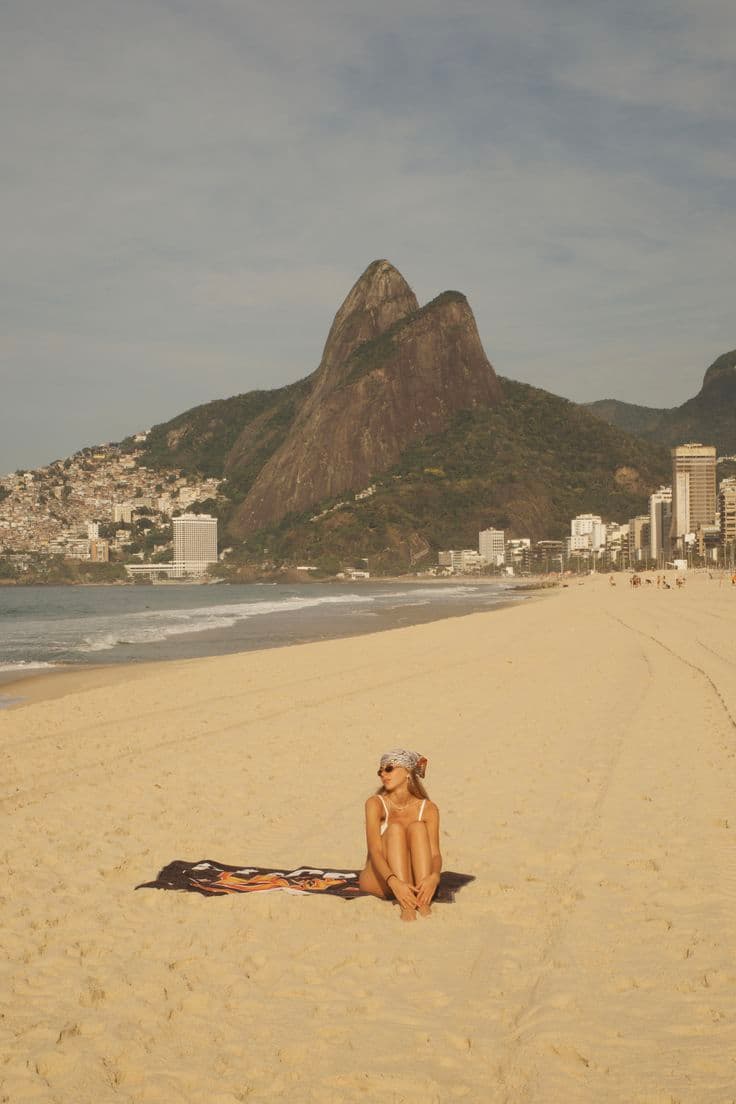
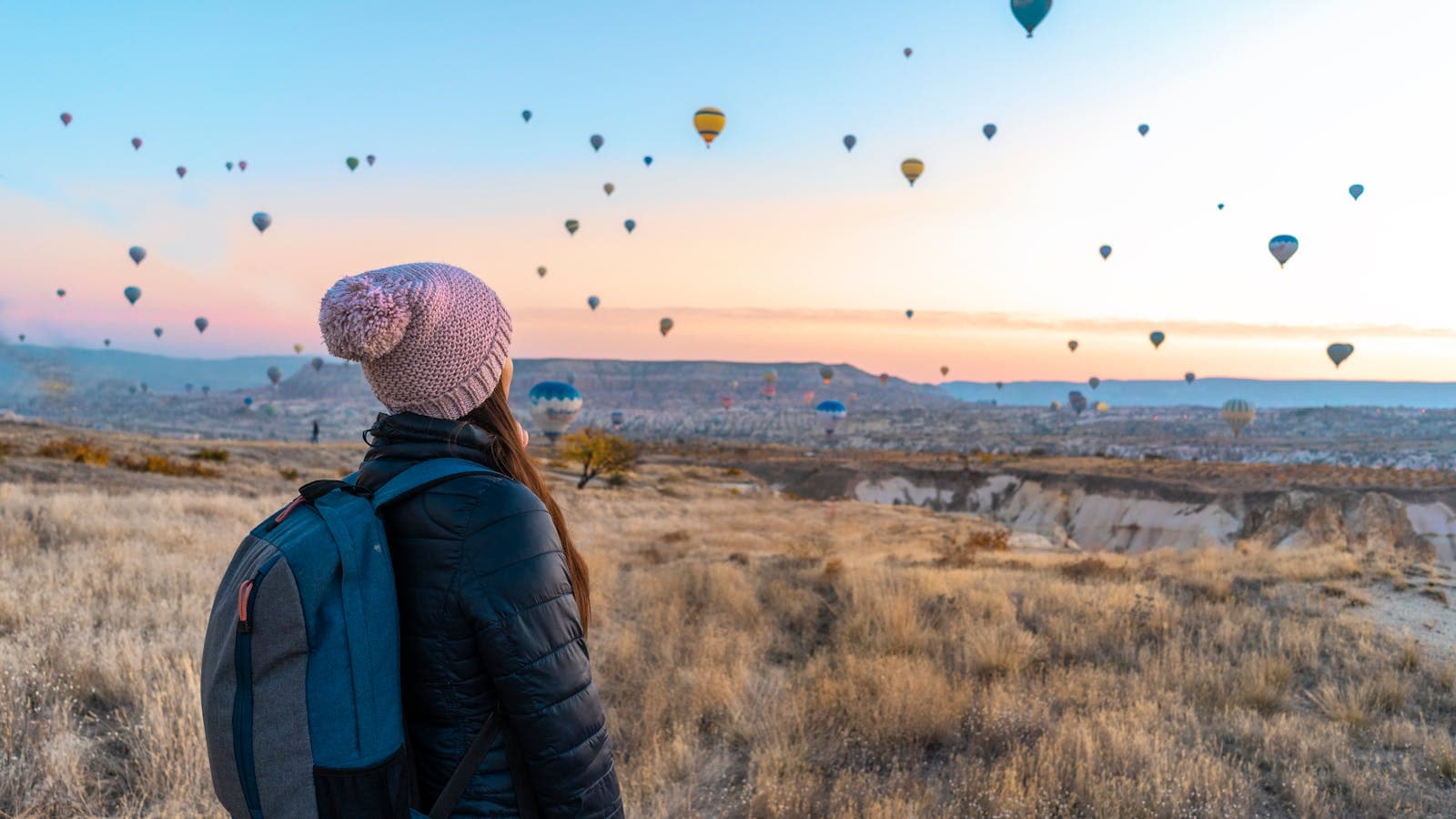
Person standing at the edge of a cliff. Back to camera. Arms outstretched. Facing an epic view. Perfect lighting. Perfect pose.
It's in every travel feed. Every Pinterest board. Every "wanderlust" collection.
And here's the uncomfortable truth: that shot tells you nothing about the actual experience.
The Problem with Perfect Travel Photos
Somewhere along the way, travel photography became performance art.
We visit places not to experience them but to photograph ourselves experiencing them. We chase shots instead of moments. We curate instead of capture.
The result?
- Photos that look like everyone else's. The same angles, same poses, same locations. Interchangeable with any other tourist's feed.
- Missed moments. While you waited 30 minutes for your turn at the "Instagram spot," what did you not see?
- Memory without meaning. A perfect shot of the Eiffel Tower tells you nothing about your experience of Paris.
- Pressure over presence. Anxiety about getting "the shot" instead of enjoying where you are.
Photography for Memory vs. Photography for Likes
These are two completely different goals—and they require opposite approaches.
Photography for Likes
- Seeks perfection
- Follows trends
- Prioritizes aesthetics
- Focuses on "iconic" shots
- Requires ideal conditions
- Demands time and effort during the trip
- Produces shareable content
- Tells viewers where you went
Photography for Memory
- Embraces imperfection
- Captures what moved you
- Prioritizes meaning
- Focuses on personal moments
- Works in any conditions
- Requires minimal time
- Produces personal keepsakes
- Tells you who you were
The question is: what do you actually want from your travel photos?
If the answer is "likes and engagement," there are plenty of guides for that.
If the answer is "to remember how it felt to be there," keep reading.
What to Actually Photograph
Forget the shot list you saw on Pinterest. Here's what triggers real memory:
Details and Textures
The peeling paint on that door. The texture of the cobblestones. The pattern of tiles in the courtyard. The way light fell through the leaves.
These micro-moments don't make viral posts, but they transport you back instantly.
In-Between Moments
The walk to the restaurant. The wait for the train. The moment before the tour started. The view from the taxi window.
Trips aren't a series of highlights. They're mostly transitions. And those "boring" moments often carry the real texture of a place.
The "I Was Here" Shot
Not "person posing at landmark." Instead: your coffee on the café table with the street visible behind it. Your feet on unfamiliar ground. Your shadow on an ancient wall.
These photos say "I was actually here, in this specific moment" in a way that posed shots never can.
Things That Will Change
The construction site that will become a building. The menu that will be different next year. The face of the city before the new development.
You're capturing a moment in time, not a timeless icon.
Food and Menus
This sounds trivial. It's not.
Three years from now, seeing that menu will unlock the entire meal—the conversation, the discovery of a new dish, the atmosphere of the restaurant.
Food photography gets mocked, but for memory purposes, it's incredibly powerful.
People (With Permission)
A portrait of someone you met contains more story than any landscape. The waiter who recommended the local dish. The shopkeeper who told you history. The fellow traveler you connected with.
Faces are memory anchors.
The Case for Imperfect Photos
Here's something counterintuitive: the photos you almost delete might become the ones you treasure most.
Blur and Motion
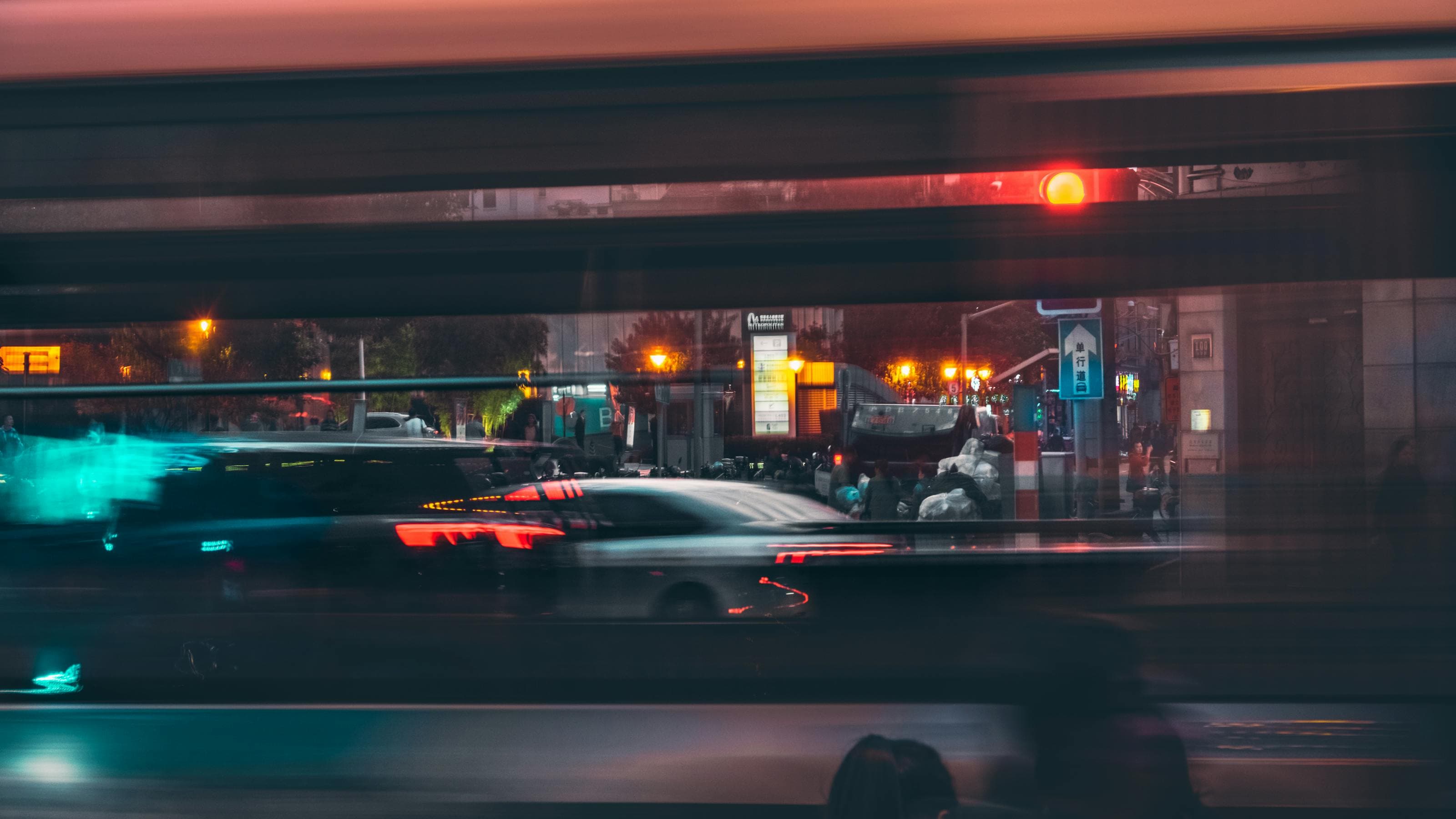
A blurry photo of your travel companion laughing captures energy that a crisp portrait misses. The motion blur of a night market preserves the chaos and life.
Technical imperfection can equal emotional truth.
Grain and Noise
Low-light photos with visible noise often feel more authentic than artificially brightened images. The grain becomes part of the texture.
"Bad" Composition
You accidentally captured someone walking into frame? Left too much sky? Got the angle slightly wrong?
Sometimes these accidents create more interesting, more human images than calculated perfection.
The Photo You Didn't Mean to Take
Accidental shots—a finger in the corner, a subject looking away, a random moment—often capture genuine life in a way that planned photos can't.

%20copy%202.webp&w=384&q=75)
%20copy%203.webp&w=384&q=75)

Your trips deservemore than a camera roll
.webp&w=96&q=75)
Why Film Aesthetic Resonates
There's a reason vintage filters are popular. It's not just nostalgia.
Film photography was imperfect by nature:
- Colors weren't always accurate
- Exposure wasn't always ideal
- You couldn't see results until later
- You had limited shots
This forced a different relationship with photography. More intentional. More accepting of imperfection. More focused on capturing rather than performing.
When you apply a film-like filter, you're not just changing colors. You're invoking that mindset. The warmth says "this is a memory" rather than "this is content."
TripMemo's built-in vintage camera includes four custom LUTs designed specifically for travel memory. Not to make your photos viral—to make them feel like keepsakes.
The Practical Shift
Here's how to actually change your approach:
Before You Leave
Decide: are you documenting for memory or for social media?
There's no wrong answer. But mixing the goals creates friction. If you're documenting for memory, give yourself permission to ignore the "must-get" shots.
At Each Location
Take the obvious shot if you want. Get it out of your system.
Then turn around. Look for details. Look for light. Look for moments happening around you. Photograph those.
Throughout the Day
Capture transitions. The taxi ride. The breakfast routine. The evening walk.
These are your trip. The highlights are just peaks.
Same-Day Captioning
This is crucial. Add one line to each meaningful photo before you sleep:
- "The restaurant the hotel owner sent us to"
- "First time trying fresh olives—surprisingly good"
- "Tired after 6 hours of walking but couldn't stop"
That context transforms snapshots into memory triggers.
Permission to Stop
If you're not feeling it, stop photographing.
The pressure to document can ruin presence. A trip with fewer photos but more genuine experiences is better than comprehensive documentation of a trip you weren't fully in.
Organizing for Memory, Not Display
Your Instagram grid doesn't need organizing. Your memories do.
Day-by-Day Structure
Photos organized by day recreate the flow of your trip. Day 1 leads to Day 2 leads to Day 3. The story emerges.
Camera rolls and social feeds are streams—undifferentiated, impossible to navigate, forgettable.
TripBooks organize automatically by day. Each day becomes a chapter. The trip becomes a story.
Context Over Curation
Don't just save the best photos. Save the meaningful ones.
A mediocre photo with strong context beats a beautiful photo that means nothing. Caption ruthlessly.
Quick Access
Your travel photos should be findable. If you have to scroll through thousands of images to find that trip, you won't look at it.
Separate apps, albums, or systems that make revisiting easy.
What You'll Have in Ten Years
Think about your current approach. Where will those photos be in a decade?
Instagram approach: The photos exist on a platform that may or may not still be relevant. They're mixed with ads and other people's content. Finding that specific trip requires scrolling. The context is caption-deep.
Camera roll approach: Buried in 50,000 other photos. The trip might be findable by date—if you remember the date. No context, no organization, no story.
Memory-first approach: Organized by trip, structured by day, enriched with context. Findable in seconds. Each photo connected to the story around it. A keepsake you'll actually revisit.
The time to choose is now. Every trip you take with the wrong approach is a memory you'll lose.
Start Simple
You don't need to overhaul everything. Start with one shift:
Before your next trip: Decide that 50% of your photos will be details, textures, and in-between moments—not landmarks and poses.
During: Spend 10 seconds captioning important photos.
After: Put them somewhere you'll actually revisit.
That's it. Three small changes.
The photos you take will look different. They might get fewer likes. They definitely won't match the Pinterest aesthetic.
But in ten years, you'll actually remember your trips.
And that's the whole point.
Related reading: